Who Built Ardfinnan Castle? Prince John and the Norman Hold on the Suir
On a rock above the Suir, where the river bends and narrows, a young Norman prince set down one of the earliest royal castles in Ireland. It is still there.
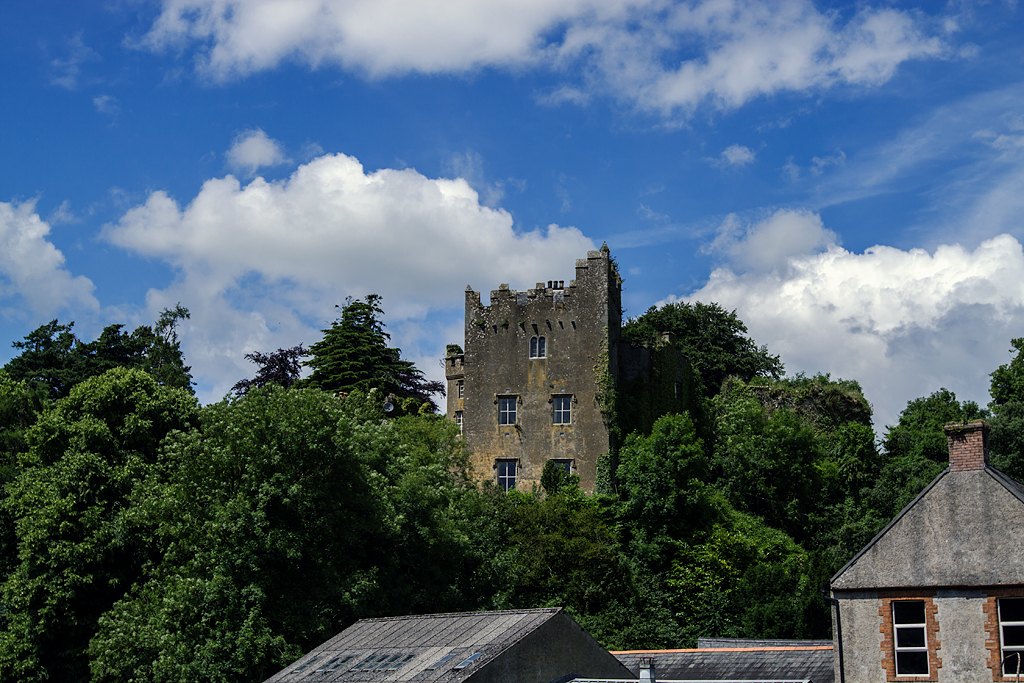
Ardfinnan Castle stands on high ground above the River Suir, four miles south of Cahir and roughly seven west of Clonmel, with the Knockmealdown Mountains rising behind it. It was built around 1185, and the man who ordered it was Prince John — the youngest son of King Henry II of England, and later King John himself.
A prince sent to Ireland
In 1185 Henry II sent John, then about eighteen, to Ireland as Dominus Hiberniae, “Lord of Ireland.” The expedition is remembered more for the young prince’s poor judgement than for any conquest, but it did leave a lasting mark on the landscape: a line of castles built to hold the territory the Normans had taken.
Ardfinnan was one of them. It was raised as a sister stronghold to Lismore Castle on the Blackwater, and its purpose was simple and strategic — to command the crossing of the Suir at a point where the river could be forded and, later, bridged.
Why here
Rivers were the motorways of medieval Ireland, and their crossings were the choke points. Whoever held the ford at Ardfinnan controlled movement between the rich lands of south Tipperary and Waterford. The castle’s position, on a steep rock over the water, gave it command of the valley in both directions.
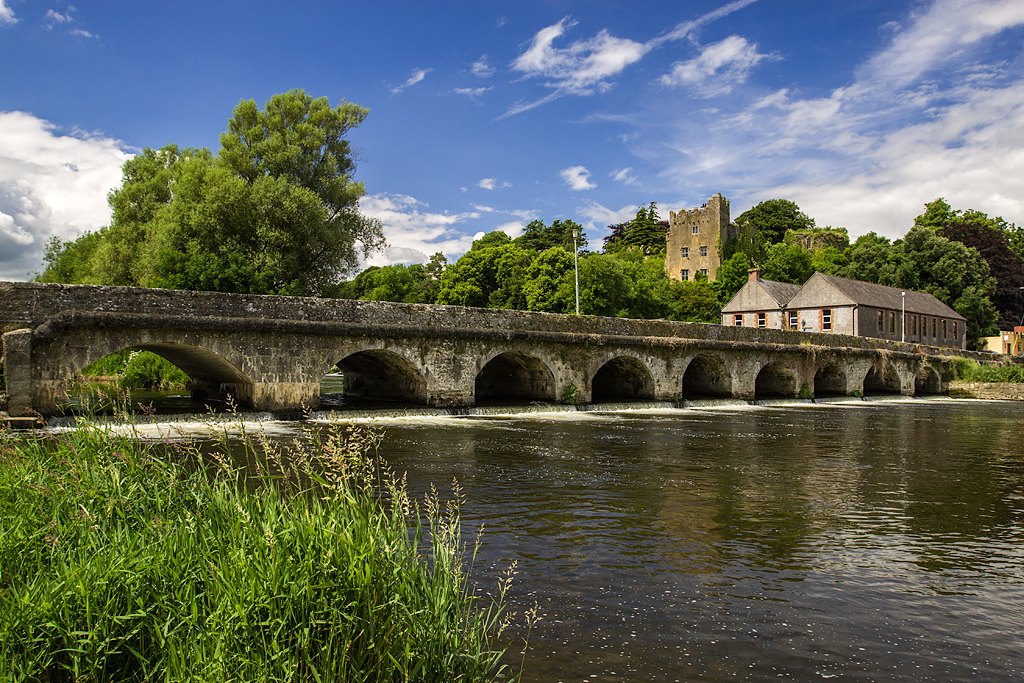
That same logic explains the medieval bridge below the castle, a river crossing used since at least the Middle Ages, which carried traffic — and tolls — under the castle’s watch for centuries.
One of Ireland’s earliest Norman castles
Because it dates to the 1185 expedition, Ardfinnan is counted among the earliest castles built in Ireland by the Norman Crown rather than by individual barons. Like other castles of the 1185 expedition, its earliest phase is likely to have been in earth and timber, later rebuilt in stone, with the circular keep that defines the site today developing over the generations that followed.
The castle changed hands and shape many times through the medieval period, passing through the hands of the Knights Templar and powerful local families before the upheavals of the seventeenth century reached the Suir valley.
Seeing it today
Ardfinnan Castle remains a private residence and is not open to the public. The best view is the one that has drawn travellers and artists for two centuries: from the old stone bridge in the village, looking up at the keep above the river. It is free, it is unforgettable, and it is exactly where a Norman prince decided, more than eight hundred years ago, that a castle should stand.