Ardfinnan and the Wider World: Emigration from the Suir Valley
For a century and more, the road out of the Suir valley led to Liverpool, Boston, Montreal and beyond.
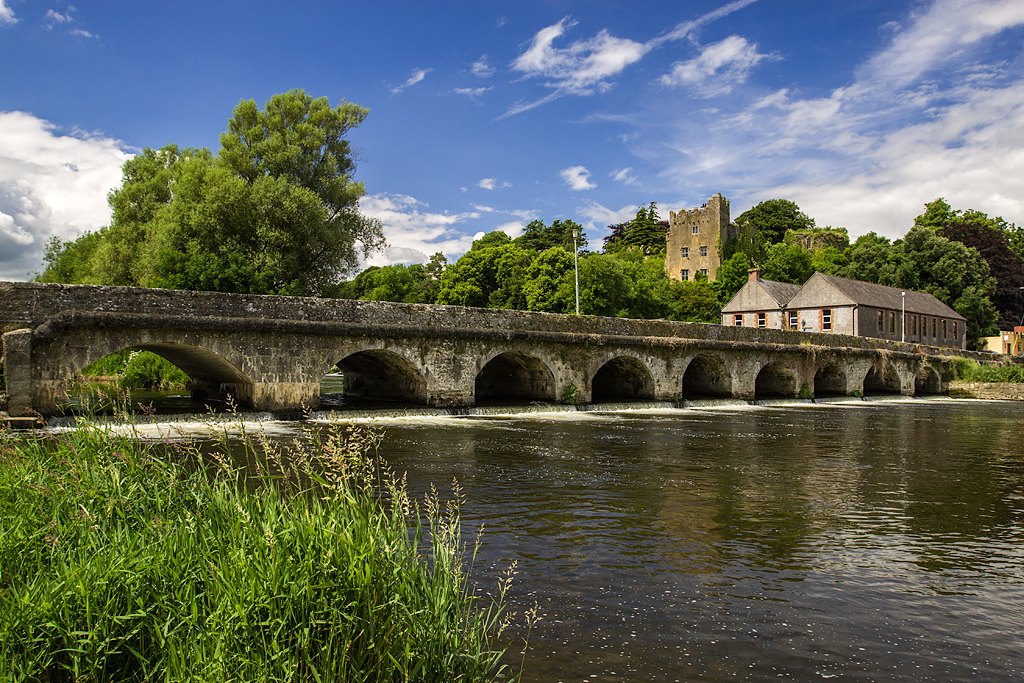
No register of names survives in the sources we have used for this article, and we will not invent any. What the record does show, clearly, is the scale of departure from south Tipperary in the 1840s and the routes people took. Ardfinnan sat in the middle of it. The village, a milling settlement on the Suir (see the history of Ardfinnan village), sat in the middle of it; this article follows the people who left.
The scale of loss
Historian Denis Marnane, writing on the Famine in south Tipperary for Tipperary Studies, states that the county’s population fell by 24 per cent between 1841 and 1851. That is the combined effect of death, disease and departure. Across the whole island, the Wikipedia article on the Great Famine says that at least 2.1 million people left Ireland between 1845 and 1855, with roughly a million people emigrating during the Famine years themselves, mostly to North America. It adds that emigration was not new: Cormac Ó Gráda estimates that one to one and a half million people left between 1815 and 1845.
Ardfinnan lay in the Clogheen Poor Law Union. Marnane records that the Union was divided into four relief districts in 1847, with one centred on Ardfinnan, and that the post of relieving officer carried a salary of £50 a year. Guardians fought over who got it, with tied votes for the Ardfinnan and Ballyporeen jobs. It is a small detail, but it shows how few secure positions existed, and how much they were worth.
“Alarming” and “very great”
Marnane quotes the reports that parish clergy sent in during 1847. One observer noted that “emigration was very considerable, especially among the more comfortable farmers,” with “many more… preparing to be off as soon as possible and hundreds remain from the want of means.” Fr William Kirwin of Boherlahan and Dualla called emigration “alarming,” and Archdeacon Michael Laffan of Fethard wrote that it was again “very great.”
That distinction matters. The first to leave were often those with some money for the fare. The poorest stayed because they could not pay, which is why workhouse and relief records from the period are so full.
Where people went
The Wikipedia article on the Irish diaspora sets out the main routes:
- Britain. The poorest went to Great Britain, especially Liverpool, with large Irish settlements in Glasgow and other port cities.
- The United States. Those who could afford the passage went further, including almost five million to the United States over the whole period the article covers.
- Canada. The article says 624,000 Irish arrived between 1830 and 1850, and that for 1825 to 1845 around 60 per cent of all immigrants to Canada were Irish.
- Australia. The Great Famine article lists it among destinations, alongside England, Scotland, South Wales and North America.
These are national and international totals. We have found no source that breaks the figures down by village, so please do not read them as Ardfinnan’s own numbers.
Staying connected
The Great Famine article records that women emigrated as often, and as early, as men, and that remittances sent home reached £1,404,000 by 1851. It also notes that this money helped relatives to follow. That chain, one person sending the fare for the next, explains why Irish communities abroad often came from a handful of parishes.
Letters, money and news were the thread. In a valley where the Woollen Mills and the farms could not employ everyone, an envelope from Liverpool or New York could keep a household afloat.
After the Famine
Population decline did not stop in 1851. The Irish diaspora article notes that by 1900 Ireland’s population was about half its pre-Famine peak. In Ardfinnan the effect shows in the later story of relief and charity. The village article records the Countess of Donoughmore founding the Ardfinnan Clothing Club after the Famine, as reported by the Clonmel Chronicle in 1871. The village survived, with 978 people at the 2022 census.
Why it still matters
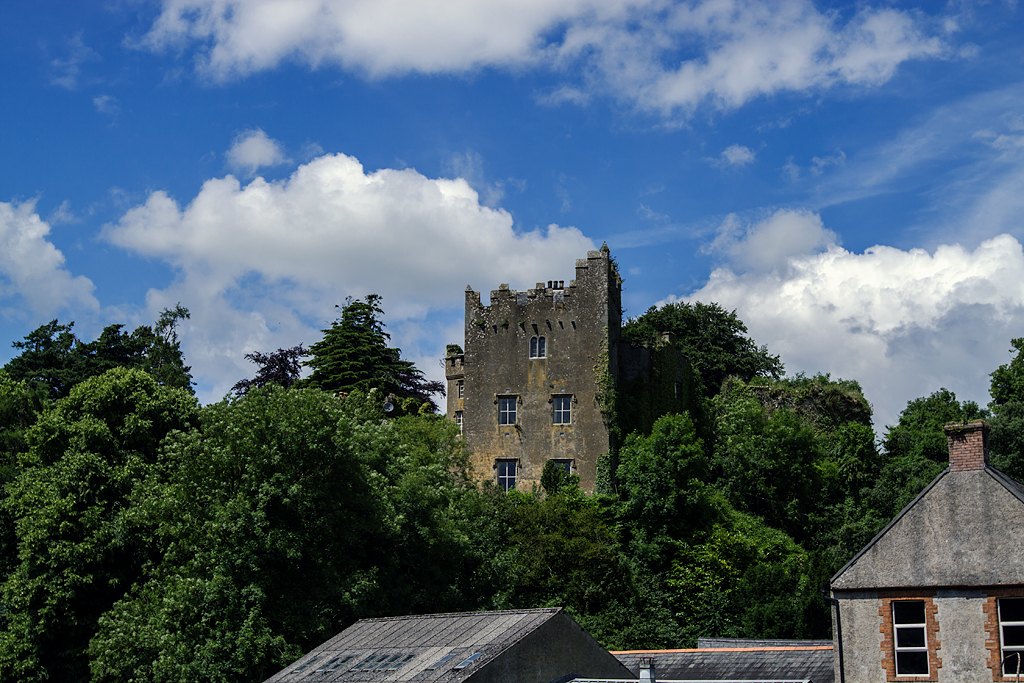
Almost every Irish family has a branch overseas. The descendants of people who left the Suir valley now live in Boston, Toronto, Birmingham and Sydney, and many return to find a graveyard, a townland or a castle on a hill. If you are tracing a family from this area, start with the civil parish and the Tipperary Studies collection, then read the people of Ardfinnan and the parish story to put names in context.