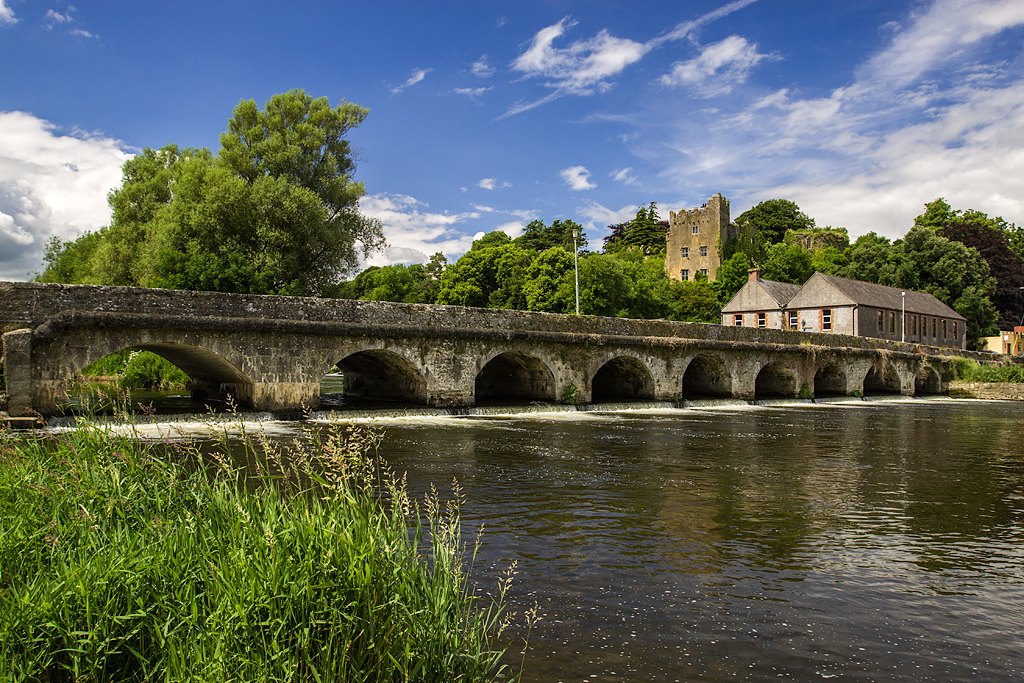
What Does 'Ardfinnan' Mean? The Saint Behind the Name
Long before the Normans, the hill above the river already had a name — and it belonged to a saint.
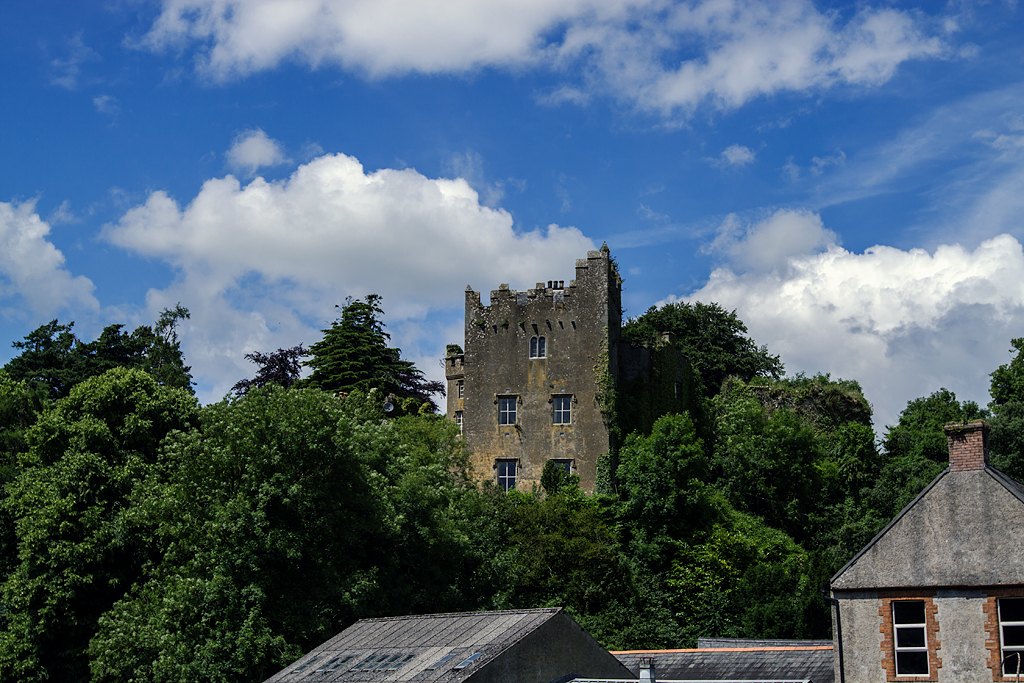
The village’s name is older than its castle by centuries. Ardfinnan is an anglicisation of the Irish Ard Fhíonáin, usually translated as “the height of Finnán” — the high ground associated with an early Irish holy man named Finnán or Fíonán.
Ard — the height
The first element, ard, is one of the most common words in Irish placenames. It means a height, a high place, or high ground, and it appears all over the island: Ardee, Ardmore, Ardagh, Armagh (Ard Mhacha, “Macha’s height”). At Ardfinnan the “height” is the rock above the Suir on which the Norman castle would later be built — the natural strong point that made the site worth settling in the first place.
Finnán — the saint
The second element preserves the name of an early Irish saint, Finnán (a name related to fionn, meaning “fair” or “bright”). Early Christian Ireland produced a great many local saints and church founders, and it was common for a place to take its name from the holy man associated with its first church or monastic cell. Ardfinnan’s name tells us that, long before the castle, the hill was a place of Christian settlement.
This pattern — a saint’s name joined to a feature of the land — is one of the most reliable signatures of an early medieval, pre-Norman origin for an Irish settlement. The castle gave Ardfinnan its skyline; the saint gave it its name.
A name that outlasted everything
Dynasties, armies and empires passed through the Suir valley. The Normans came, the Templars held the castle, Cromwell’s army arrived in the seventeenth century, and the modern village grew up around the bridge. Through all of it, the name stayed fixed to the hill: Ard Fhíonáin, the height of Finnán.
For anyone standing on the bridge today, the name is a small act of continuity — a line of sound running unbroken from an early Irish saint to the signpost at the edge of the village.